June 5, 2026

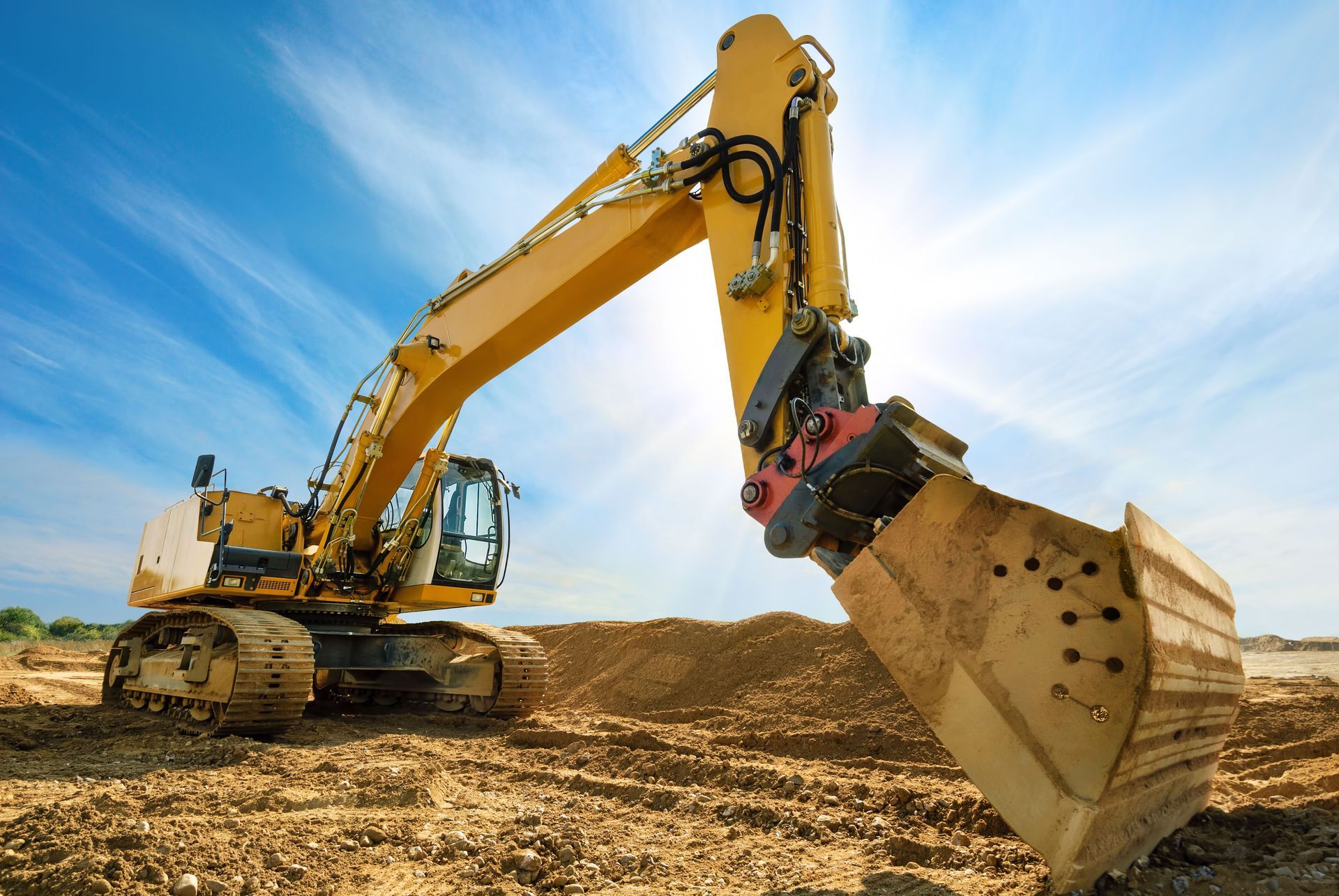
The development of regional infrastructure intricately influences the evolving trends in construction equipment. According to WifiTalents, the global construction equipment market was valued at $178 billion in 2022 and is expected to grow by 4.5% to 2030, a testament to the burgeoning demand for advanced construction machinery. This relationship stems from the demand for innovative and sophisticated machinery that meets the specific needs of different areas undergoing infrastructure expansion. With technological advancements and a growing emphasis on sustainability, governments and industries are focusing on modern construction equipment to support their developmental agendas. Let's explore how these regional infrastructures are contributing to changing construction equipment trends globally.
Economic Growth and Infrastructure Development
Economic growth is a crucial driver of infrastructure development, reflected in the burgeoning demand for diverse and advanced construction equipment. As regions experience economic expansion, the need for infrastructure to support activities like transport, energy, and housing becomes glaringly evident. Construction equipment manufacturers are thus under constant pressure to produce machines capable of meeting the diverse requirements posed by rapid infrastructure development. Speed, efficiency, and sustainability are often at the forefront of these equipment innovations, propelling market growth. This relationship between economic growth and infrastructure needs is evident across various regions globally, fueling a continuous cycle of development and technological advancement in construction equipment.
Infrastructure Renewal and Modernization
North America is heavily invested in infrastructure renewal and modernization projects, which demand specialized construction equipment solutions. As older urban centers seek to upgrade their transport networks, utilities, and institutional buildings, the call for technologically advanced machinery becomes more pronounced. Equipment tailored for such projects is pivotal in minimizing disruptions while maximizing construction efficiencies. These modernization endeavors align with a broader regional goal of enhancing infrastructure resilience while supporting population density increases. This trend necessitates construction equipment that is not only sophisticated but also adaptable to the unique challenges presented by aging infrastructures.
Growth in Residential Construction
The growing demand for residential construction in North America intrinsically fuels the need for modern construction equipment. Urban sprawl and housing shortages prompt increased construction activities, calling for machinery that meets the needs of residential projects, such as compact design and enhanced safety features. This equipment must be both efficient in operations and capable of adhering to new housing frameworks and green building codes. These demands push manufacturers to innovate machinery that achieves higher productivity while reducing environmental impacts, which is a critical consideration given the ongoing sustainability shifts within residential construction sectors. The intersection of technological advancements with residential construction trends will continue to shape the North American construction equipment market.
Technological Integration in Equipment
North America's construction equipment market is witnessing a widespread adoption of advanced technologies, enhancing everything from performance to usability. The integration ranges from telematics systems that provide real-time data on machinery operations to fully automated and GPS-guided solutions. This technological leap ensures construction machinery aligns with the fast-paced, digitally-driven expectations of contemporary North American infrastructures. Equipment upgrade cycles are shortening, with newer models constantly incorporating the latest tech advances to stay competitive and relevant. These technological integrations signal the dawn of a more informed, data-driven approach to construction.
Infrastructure Projects and Trends
Significant infrastructure projects within North America directly dictate emerging trends within the construction equipment sector. Projects such as high-speed rail networks, expansive highway systems, and smart city developments call for a broad spectrum of specialized machinery. The need to accommodate these grand projects impacts manufacturers' approaches, who must cater to the rigorous and unique demands of different infrastructure types. As these projects come to fruition, insights gathered inform future trends, showcasing the power of adaptive and forward-thinking equipment design. These projects are transforming how construction equipment is developed, demanding smarter, more versatile machines that can operate under diverse conditions and meet ambitious timelines.
Urban Development and Smart Cities
As Europe advances its urban infrastructure through smart cities, the demand for advanced construction equipment grows exponentially. These cities prioritize technological integration to create interconnected urban centers equipped for future demands. The construction equipment utilized in these projects must be smart, adaptable, and capable of integrating with city-wide digital systems for enhanced efficiency and safety. European smart city initiatives highlight how urban development encourages the proliferation of construction equipment technologies like sensor-based machine management and AI-driven operations. This signals a future trend where construction equipment evolves hand-in-hand with urban technology, ensuring higher productivity and smarter infrastructure development.
Technological Advancements and Automation
Technological advancements in construction equipment and automation are becoming central to Europe's construction practices. The adoption of machine learning and AI in equipment ensures the enhancement of precision, operational efficiency, and seamless adaptation to various construction challenges. Automation reduces human error and increases safety in job sites, providing an economic advantage and continuity during labor shortages or shifts in workforce demographics. This incorporation of technology transforms both equipment functions and business approaches, heralding a new era of construction possibilities in Europe.
Rapid Urbanization and Construction Demand
Asia-Pacific is experiencing unprecedented urbanization, thus increasing the region's demand for construction equipment exponentially. With rising urban populations, the need for additional housing, transport networks, and business facilities is acute, stimulating market growth. Cities expand vertically and horizontally at rapid rates, presenting unique construction challenges that require advanced equipment solutions. This rapid urbanization influences equipment manufacturers to innovate technology that adapts to complex urban environments efficiently. As the infrastructure demand continues, Asia-Pacific remains a critical market for construction equipment, necessitating solutions that address urban density while maintaining sustainable practices.
Impact of Mega Infrastructure Projects
Mega infrastructure projects like China's Belt and Road Initiative have substantially influenced construction equipment trends within the Asia-Pacific region. These grand projects require highly specialized machinery that delivers operational efficiency and reliability on massive scales. Equipment manufacturers must innovate in response, producing machinery capable of adapting to diverse geographic and environmental conditions. This has led to a shift towards customized solutions, where standard equipment is supplemented with advanced technology packages and modular systems. The influence of such large-scale projects propels the Asia-Pacific market forward, fostering diversification from traditional construction methods to more technologically innovative approaches.
Industrial Growth and Equipment Needs
Industrial growth within the Asia-Pacific region continues to shape demand for construction equipment, necessitating more efficient and sophisticated machinery. Robust industrial activities, driven by economic expansion, require machinery capable of substantial productivity, often within tight timelines and evolving production schedules. These growth sectors push equipment manufacturers to innovate, with a focus on engineered solutions that can support enhanced operational capacities. By intersecting with industrial growth needs, the construction equipment market reinforces its pivotal role within the region's broader economic landscape. This interplay underscores an ongoing demand for machines that cater to industry-specific challenges, ensuring alignment with continuous production demands and infrastructural ambitions.
Regional infrastructure development continues to play a major role in shaping construction equipment trends across the globe. As economies expand, urban populations rise, and governments invest in modernization projects, the demand for advanced, efficient, and sustainable machinery will only continue to grow. From North America's infrastructure renewal efforts to Europe's smart city initiatives and Asia-Pacific's rapid urbanization and mega projects, each region presents unique challenges that influence equipment innovation. These evolving demands are driving manufacturers to develop smarter, more adaptable construction equipment capable of meeting modern construction expectations while supporting long-term economic and environmental goals. To learn more, reach out to the experts at Groundhog Equipment LLC today!