October 24, 2026
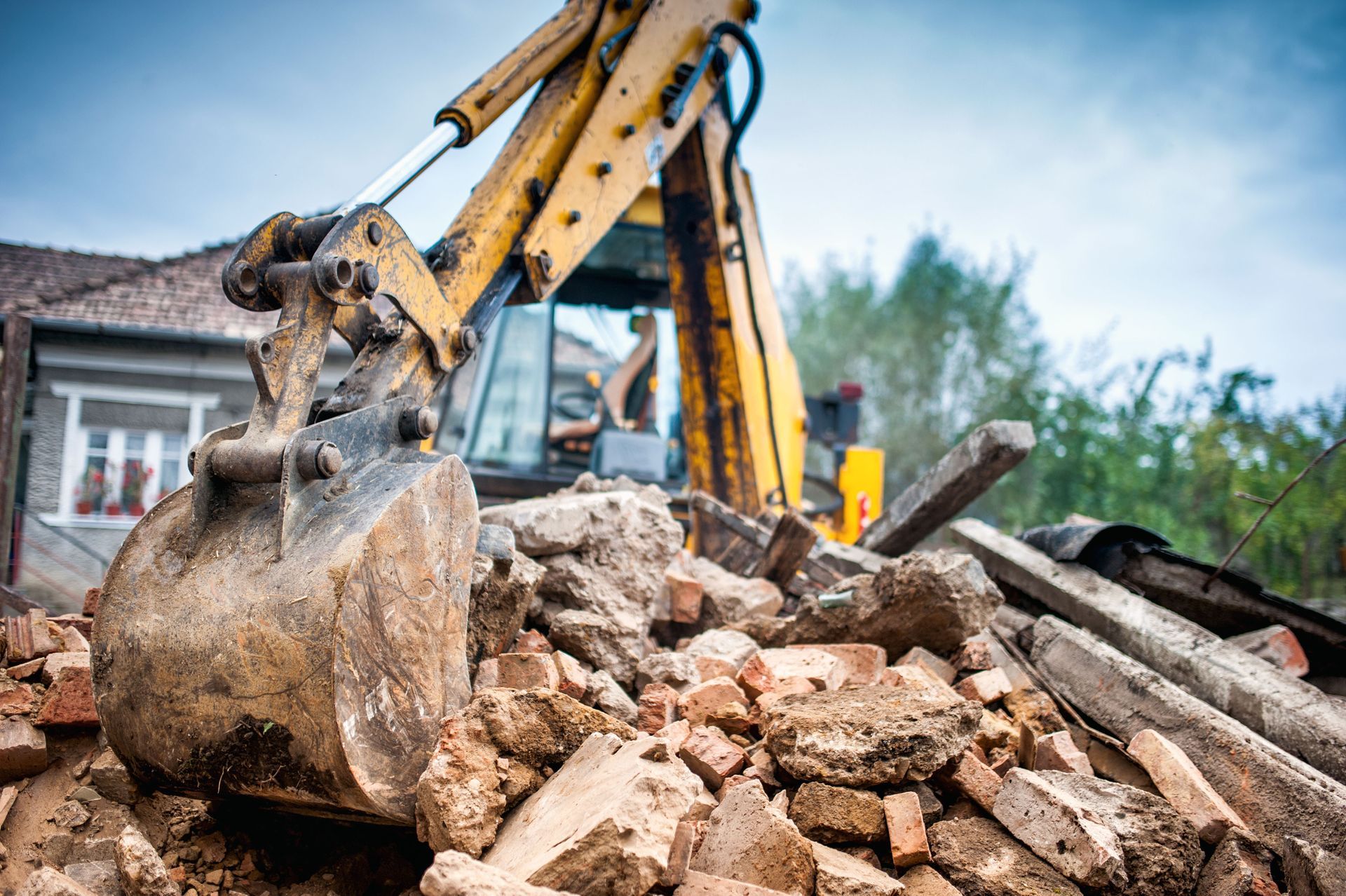
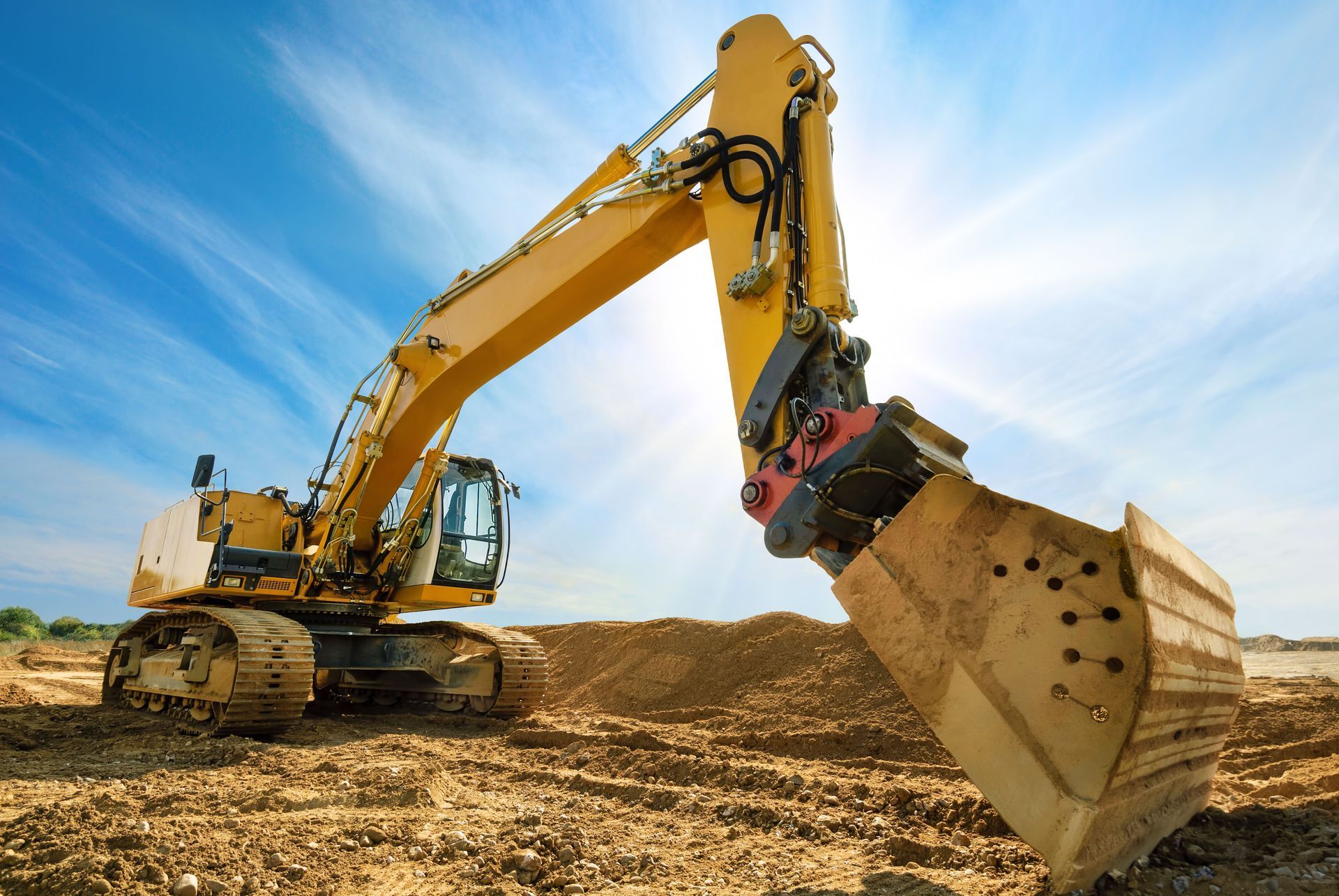
A well-balanced equipment fleet gives contractors the flexibility to handle changing project requirements without keeping unnecessary machines on hand. Different jobs call for different combinations of equipment, attachments, and capabilities. Excavation work may require machines designed for digging and material movement, while grading, landscaping, site preparation, and demolition can introduce entirely different needs. For this reason, construction equipment companies must carefully consider how each machine contributes to the overall usefulness of a fleet.
Versatility is particularly valuable when selecting equipment. Machines that can perform several functions with compatible attachments may help reduce the need for highly specialized units that are only useful for limited applications. At the same time, specialized equipment remains important when a project requires greater reach, power, precision, or capacity. Balancing versatile machines with specialized options allows a fleet to support a wider variety of customers and project environments.
Balancing Fleet Size With Customer Demand
Fleet size is another important consideration because having too little equipment can limit availability, while maintaining too much can create unnecessary operating expenses. Demand can fluctuate based on construction activity, weather, regional development, and the types of projects customers are completing. Fleet planning therefore involves evaluating which machines are consistently requested and which ones experience more occasional demand.
Popular equipment categories often deserve a meaningful place in a balanced fleet. According to Gitnux, skid steer loaders hold 28% of the compact track loader segment. Market information like this can help illustrate the significance of certain versatile equipment categories within the broader industry. However, demand for individual machines can vary considerably by location, customer base, and the types of construction projects common in a particular service area.
Seasonal changes can also influence utilization. Landscaping, excavation, utility work, and site development may become more active during favorable weather, while other projects continue throughout different parts of the year. Construction equipment companies can account for these shifts by reviewing historical utilization patterns and adjusting fleet availability accordingly. This approach helps ensure that frequently requested equipment remains accessible while reducing the likelihood of maintaining excessive inventory that spends long periods unused.
Balancing Machine Utilization With Availability
Owning the right equipment is only part of effective fleet management. Companies must also consider how often each machine is being used. A piece of equipment that remains idle for extended periods can continue generating costs through storage, insurance, maintenance, and depreciation. On the other hand, machines that are constantly in use may experience accelerated wear or become difficult for customers to reserve when demand increases.
Utilization data provides useful insight into whether the fleet is appropriately balanced. By reviewing rental frequency, operating hours, downtime, and customer requests, construction equipment companies can identify machines that are in particularly high demand as well as equipment that may be underused. These patterns can influence future purchasing, replacement, and fleet reduction decisions.
Balancing Maintenance With Productive Operating Time
Equipment reliability directly affects the usefulness of a fleet. Machines that are unavailable because of unexpected mechanical problems can disrupt schedules and reduce the number of units available for customers. Preventive maintenance therefore plays an important role in fleet planning, even though scheduled service temporarily removes equipment from active use.
Maintenance scheduling requires coordination so that too many similar machines are not unavailable simultaneously. Construction equipment companies can monitor service intervals, operating conditions, inspection findings, and repair histories to anticipate maintenance needs. Planning service around expected demand can help preserve availability while keeping machines in appropriate operating condition.
Maintenance information can also reveal broader fleet trends. A machine that requires increasingly frequent repairs may no longer provide the same operational value it once did. Meanwhile, newer equipment may offer improved reliability or features that better match customer expectations. Evaluating maintenance costs alongside utilization helps companies decide when continued repairs make sense and when replacement may be more practical.
Equipment condition also influences customer experience. Contractors depend on machines to perform consistently once they reach the job site. Keeping equipment properly maintained can reduce interruptions and help projects remain productive. A strong maintenance program is therefore not separate from fleet balancing; it is an essential part of ensuring that the fleet remains genuinely usable.
Balancing Equipment Age With Replacement Needs
A fleet made entirely of older machines may create higher repair demands, while replacing equipment too frequently can increase capital expenses. Finding a reasonable balance between newer and established equipment allows companies to manage costs while maintaining reliability and performance.
Replacement decisions typically involve more than the age of a machine. Operating hours, maintenance history, repair frequency, utilization, resale value, and customer demand can all influence whether a unit should remain in service. Construction equipment companies benefit from considering these factors together rather than relying on a single measurement.
Technology and equipment design can also affect replacement planning. Newer machines may offer features related to operator comfort, efficiency, monitoring, safety, or attachment compatibility. However, replacing a functioning machine simply because a newer model exists may not always make financial sense. Companies must determine whether newer capabilities provide enough practical value to justify the investment.
A balanced replacement strategy can also prevent large portions of a fleet from aging at the same time. Gradually rotating equipment allows companies to spread investments over time while preserving a mixture of proven machines and newer units. This creates a more sustainable approach to fleet modernization.
Balancing Ownership With Rental Opportunities
Not every piece of equipment needs to be permanently owned by every contractor. Rental options give businesses access to machines for temporary, specialized, or changing project requirements. This flexibility can help contractors avoid investing heavily in equipment they may only need occasionally.
Construction equipment companies support this flexibility by maintaining fleets that reflect common customer needs while also offering equipment for less frequent applications. Contractors can use rentals to supplement their existing fleets during busy periods, replace machines that are temporarily unavailable, or access specialized equipment for a particular project.
This relationship between ownership and rental can make construction operations more adaptable. Instead of maintaining enough owned equipment to accommodate every possible peak in workload, contractors can adjust capacity as project demands change. Rental providers, in turn, must anticipate these fluctuations so they can maintain equipment selections that remain useful across different customer scenarios.
Balancing Costs With Long-Term Fleet Value
Every fleet decision has financial implications. Purchasing, financing, transporting, storing, maintaining, repairing, and eventually replacing equipment all contribute to the total cost of maintaining a fleet. Looking only at the initial purchase price can therefore provide an incomplete picture of a machine’s actual value.
Construction equipment companies can evaluate long-term value by considering how effectively each machine contributes to customer demand and revenue relative to its ongoing costs. Equipment with strong utilization and manageable maintenance requirements may remain valuable for a long period, while underused machines with high operating expenses may warrant reevaluation.
Resale value can also influence fleet planning. Replacing equipment while it still retains meaningful market value may help offset the cost of acquiring newer machines. Ultimately, effective fleet management requires continuous evaluation rather than occasional major adjustments. Demand, equipment condition, operating costs, and customer needs all evolve, and a balanced fleet evolves with them.
Maintaining a Flexible and Reliable Fleet
Successful fleet management is built around adaptability. Companies must balance equipment variety, utilization, maintenance, age, availability, and financial performance while anticipating what customers will need next. No single fleet configuration remains ideal indefinitely because construction markets and project requirements continually change.
Regular evaluation allows construction equipment companies to identify changing patterns and make informed decisions about purchasing, maintenance, rental availability, and replacement. When these factors are considered together, a fleet can remain productive without becoming unnecessarily large or costly. The result is a more responsive equipment operation that can support contractors across a wide range of projects.
For dependable equipment solutions that can help support your next project, contact Groundhog Equipment LLC. We can help you explore our available equipment and determine options suited to your project requirements. Reach out to us to learn more about how our equipment can support your construction needs.