November 12, 2026
The global macroeconomic landscape is undergoing a significant transformation driven by rapid urbanization, massive infrastructure renewals, and expanding industrial sectors. Across developing nations and mature economies alike, localized demographic expansion and economic development necessitate substantial investments in physical infrastructure. From transportation networks and energy grids to residential complexes and commercial centers, modern civil engineering projects rely fundamentally on specialized machinery to execute large-scale earthmoving, material handling, and structural assembly. Consequently, regional economic momentum serves as a primary catalyst driving long-term expansion across the international machinery trade.
Understanding the interplay between localized economic expansion and machinery demand provides valuable insights for contractors, manufacturers, investors, and urban planners. As regional hubs expand, municipal governments and private enterprises ramp up capital expenditure budgets to accommodate population shifts and commercial logistics. Examining the structural drivers behind this demand reveals how regional development dynamics dictate global manufacturing trends, equipment fleet configurations, and technological innovations across the industry.
Infrastructure Expansion Drives Initial Fleet Procurement
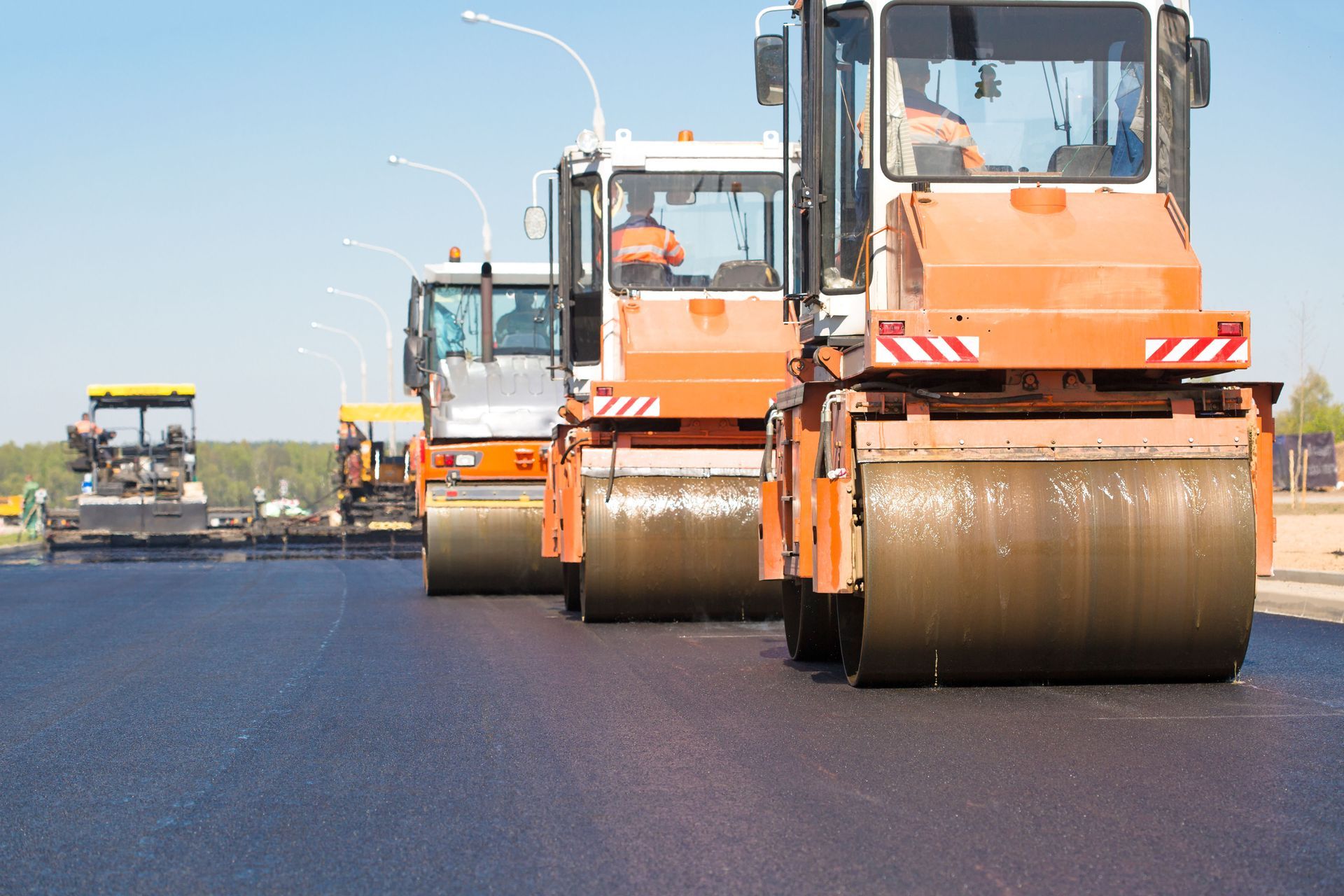
Regional development almost always begins with foundational infrastructure projects, including highway construction, railway development, seaport expansion, and utility network installation. These massive capital initiatives require substantial fleets of high-capacity machinery capable of operating under rigorous conditions. When a regional economy initiates large-scale civil engineering programs, demand for heavy construction equipment accelerates rapidly across domestic and regional supply networks.
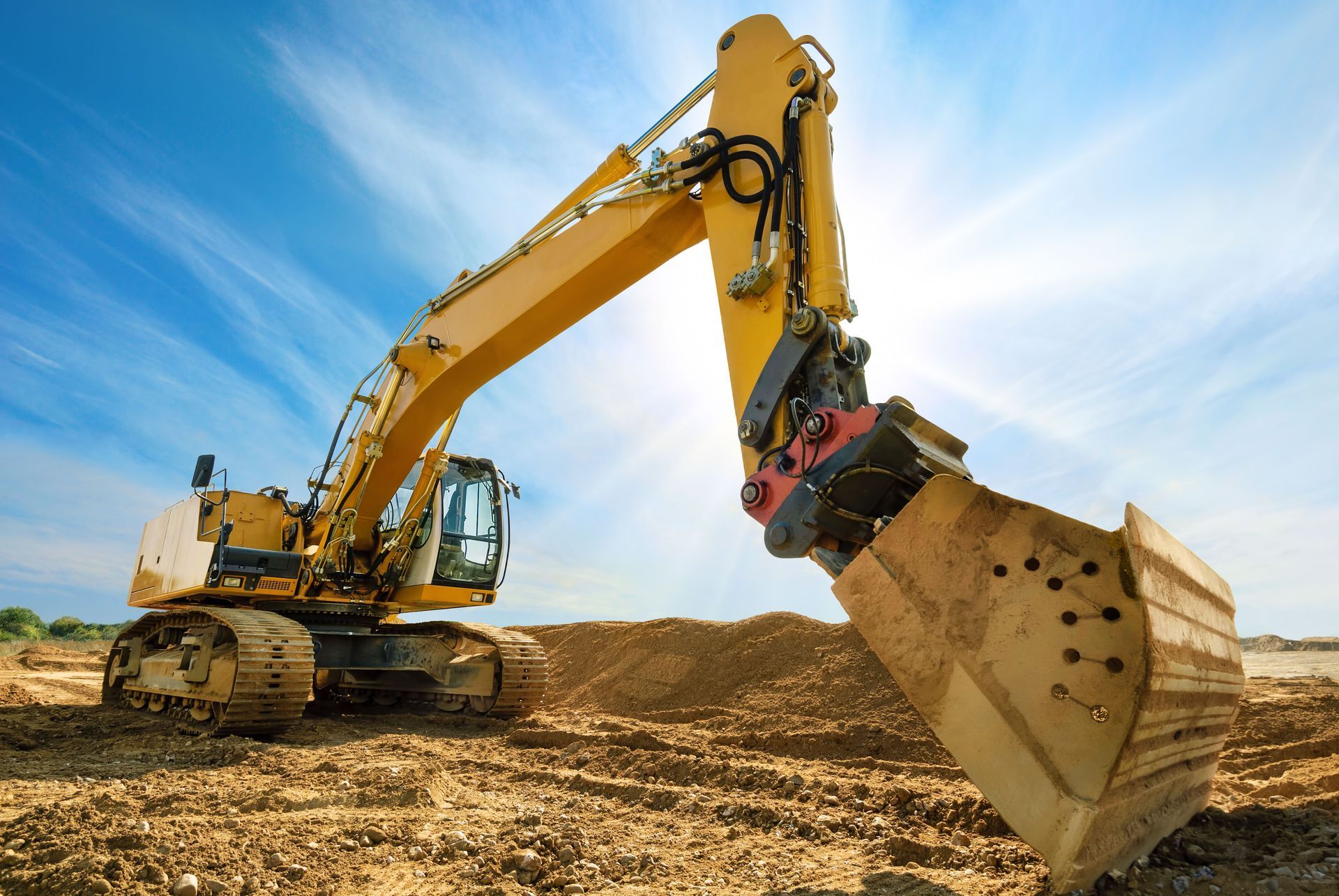
Contractors managing these multi-year initiatives must secure reliable machinery fleets to meet strict project deadlines and engineering specifications. Procurement trends reflect the specific demands of earthmoving and site preparation stages, where core machinery performs foundational tasks. According to Gitnux, excavators account for 35% of all construction equipment sold worldwide. This prominent market share underlines how earthmoving machinery forms the core foundation of early-stage infrastructure development, as regional projects prioritize earthworks, trenching, and site leveling before structural building commences.
Urban Density Influences Machine Sizing and Versatility
As regional growth shifts from foundational infrastructure toward urban expansion, population density alters the operational requirements of job sites. Rapid urbanization creates compact, high-density development corridors where space constraints, noise restrictions, and environmental regulations limit the deployment of massive machinery. In response, regional equipment demand pivots toward versatile machinery capable of maneuvering within tight urban footprints without sacrificing operational performance.
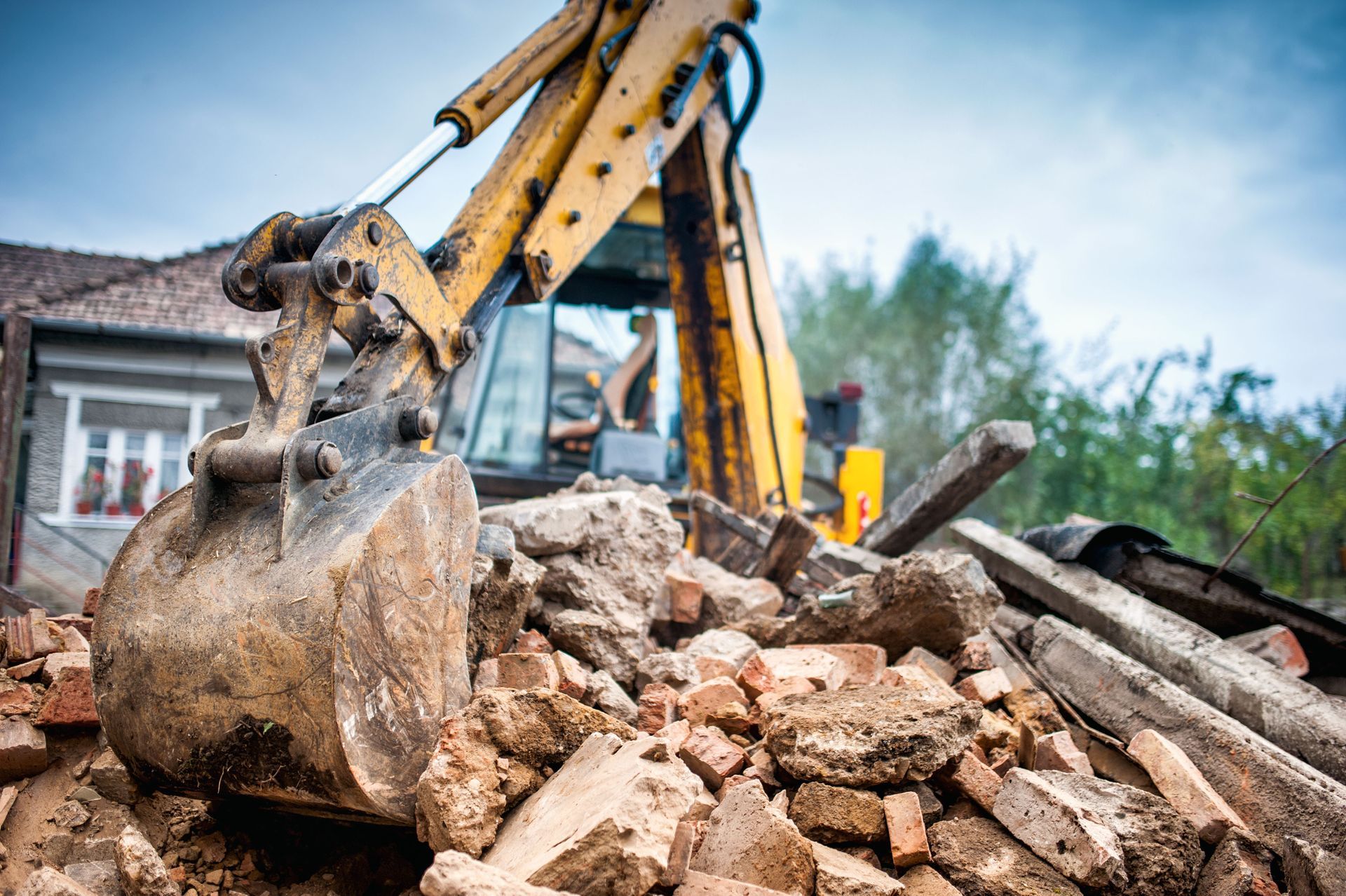
To navigate these spatial limitations, contractors increasingly adopt compact and mid-sized machinery equipped with advanced hydraulic attachments. Fleet operators balancing urban infill projects with suburban expansion look for adaptable heavy construction equipment that can transition seamlessly between distinct tasks such as demolition, utility placement, and site clearance. Machinery manufacturers continually refine equipment dimensions and tune emission controls to align with the shifting spatial realities of modern expanding metropolitan zones.
Resource Extraction Stimulates Regional Equipment Investments
In many rapidly growing territories, regional expansion is anchored by natural resource exploitation, including mining, forestry, and energy production. Industrial growth in mineral-rich zones or energy corridors generates immediate capital flows that fund surrounding transportation networks, housing developments, and processing facilities. These industrial ecosystems depend heavily on robust machinery designed to haul, dig, and process raw materials under extreme climatic conditions.
Mining operations and energy projects require high-horsepower machinery with specialized durability features to sustain continuous multi-shift operations. The presence of major resource projects creates a strong secondary demand for surrounding civil infrastructure, further multiplying the need for heavy construction equipment across localized supply chains. As regional resource extraction expands, equipment distributors establish dedicated maintenance hubs and parts distribution networks to support high machinery utilization rates across isolated job sites.
Government Spending Policies Accelerate Market Momentum
Public policy and government stimulus initiatives act as crucial engines driving regional equipment market dynamics. National development plans, municipal bonds, and targeted infrastructure legislation allocate public capital directly into transportation, water management, and renewable energy grids. When legislative bodies enact major infrastructure bills, regional market demand for heavy construction equipment experiences sustained upward momentum across both public and private contracting sectors.
Public funding commitments provide long-term visibility, encouraging civil contracting firms to modernize aging fleets and invest in capital-intensive machinery. Furthermore, government initiatives prioritizing environmental sustainability and green energy infrastructure encourage fleet owners to acquire advanced heavy construction equipment featuring hybrid drivetrains, lower emissions, and improved fuel efficiency. Legislative clarity thus serves as a major catalyst for fleet expansion and technological adoption across regional markets.
Commercial Real Estate Expansion Shapes Fleet Diversity
Economic growth within a region inevitably triggers elevated activity across the commercial, industrial, and residential real estate sectors. As businesses expand and workforce populations relocate, the demand for office complexes, logistics warehousing, manufacturing plants, and housing communities escalates. This diversification of building projects alters the composition of machinery fleets required across regional construction markets.
While early infrastructure phases rely heavily on earthmoving machinery, the subsequent commercial building boom requires material handling machinery, cranes, concrete equipment, and aerial work platforms. Contractor demand for heavy construction equipment shifts toward specialized assets capable of vertical lifting, precision placement, and rapid structural assembly. Equipment rental companies play a pivotal role during this phase by providing flexible access to diverse equipment types without forcing contractors to absorb long-term capital ownership costs.
Technological Integration Enhances Operational Fleet Efficiency
Alongside raw physical output, regional expansion increasingly demands high-tech operational integration across active job site environments. Rapid economic development cycles place severe pressure on completion schedules, compelling general contractors to maximize machine uptime, fuel efficiency, and precise material placement. Today's advanced machinery relies heavily on integrated global positioning systems, telematics networks, and automated load-sensing hydraulics that communicate operational metrics in real time to off-site fleet managers.
Incorporating digital diagnostic platforms allows construction operators to detect maintenance anomalies long before mechanical failures occur on major infrastructure projects. Furthermore, semi-autonomous operator-assist capabilities allow less experienced operators to achieve high grade accuracy, reducing labor friction in rapidly expanding regional construction labor markets. By bridging physical heavy equipment power with sophisticated data analytics, regional developers ensure that projects progress efficiently while adhering to strict environmental standards and budgetary guidelines.
Fleet Modernization Requirements Protect Market Resilience
Even in regions where new infrastructure projects experience temporary cyclical slowdowns, fleet modernization imperatives sustain ongoing market demand. Older machinery fleets face declining fuel efficiency, elevated maintenance costs, and strict environmental compliance challenges. Consequently, equipment replacement cycles represent a consistent baseline of market demand across mature and growing regions alike.
Modern telematics, machine control systems, and automated operational guidance features incentivize contractors to replace legacy machines with next-generation heavy construction equipment. Fleet managers leverage digital diagnostics and predictive maintenance tools embedded in new machinery to maximize uptime, reduce operational costs, and improve site safety. Additionally, adopting modern machinery helps companies navigate strict regional decarbonization standards and fuel cost volatility, protecting bottom-line margins during challenging market conditions. This ongoing transition toward intelligent, connected machinery ensures that regional equipment markets maintain steady growth trajectories even amid changing economic cycles.
Sustaining regional construction projects ultimately relies on establishing dependable access to high-performing machinery, reliable maintenance services, and flexible financing models tailored to complex job site demands. As regional market requirements evolve, partnering with an experienced equipment provider ensures that contractors can acquire durable machinery designed to perform reliably across demanding operational environments. Whether upgrading your current fleet or preparing for large-scale development initiatives, selecting high-quality machinery optimizes job site efficiency and keeps projects running on schedule. Contact Groundhog Equipment LLC today to explore our comprehensive inventory and find the reliable equipment solutions your next project demands!